

Courses
Learn to grown, cook and eat some of your own food with our courses held at GROW HQ.

Legumes and Seeds | Outdoors
Beans, Broad
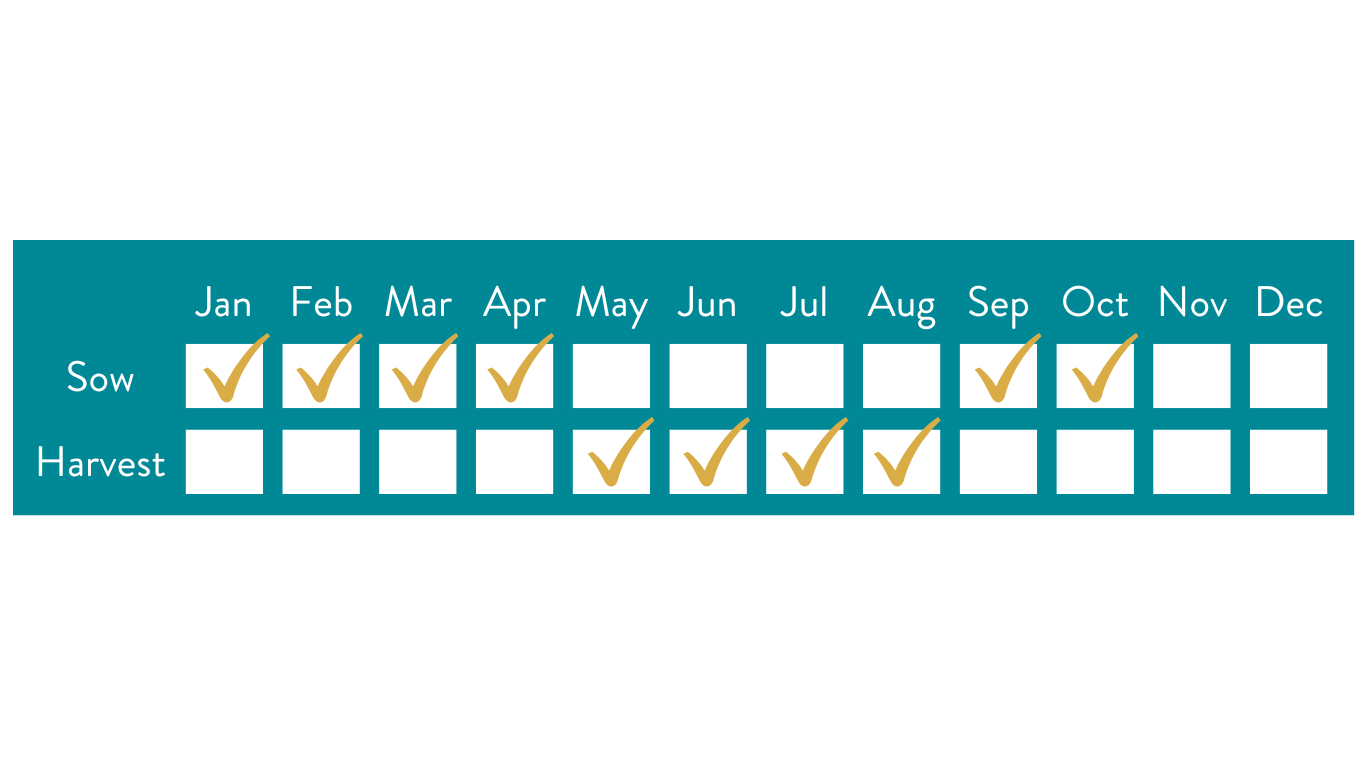
SOWING
GROWING
HARVESTING
TIPS
Learn to grown, cook and eat some of your own food with our courses held at GROW HQ.
Legumes and Seeds | Outdoors
Broad beans are generally the first legume to produce a crop, making them one of the first new season crops of the year. Broad beans are an ideal veg to try out if you are a beginner GIYer, as they are very easy to grow, prolific, and they freeze well. They are also a hardy crop – they can survive in harsher conditions, such as frost, unlike most veg and will grow in any moderately fertile soil.

Our food system is broken and at GIY we believe that nurturing a real connection to where our food comes from is the key to fixing it.
We're on a mission to inspire a global movement of food growers, one GIYer at a time.
Sign up to be the first to hear about all things GIY.
GIY is a social enterprise consisting of two companies: GIY Ireland CLG (Company No 477525) and GIY Ireland Activities Ltd (Company No 490550), both registered at GROW HQ, Farronshoneen, Dunmore Road, Waterford, Ireland and have the following directors: Eamonn Clarke, Carol Montgomery, Aoibheann O'Brien, Elias Darwish, Marie Oldham, Laura Smith© GIY Ireland Ltd 2025