

GIY - A movement for Real Food
Somewhere along the way, we lost our connection to what we eat - to the soil it comes from, the people who grow it, and the impact it has on our health and our planet.
Ultra-processed convenience has replaced real nourishment. Food has become something we consume, not something we understand or feel connected to.
And the consequences are everywhere: in our bodies, our communities, and our planet.
At GIY we believe there’s a better way: reconnecting to healthy, sustainable food through growing, cooking and eating better.
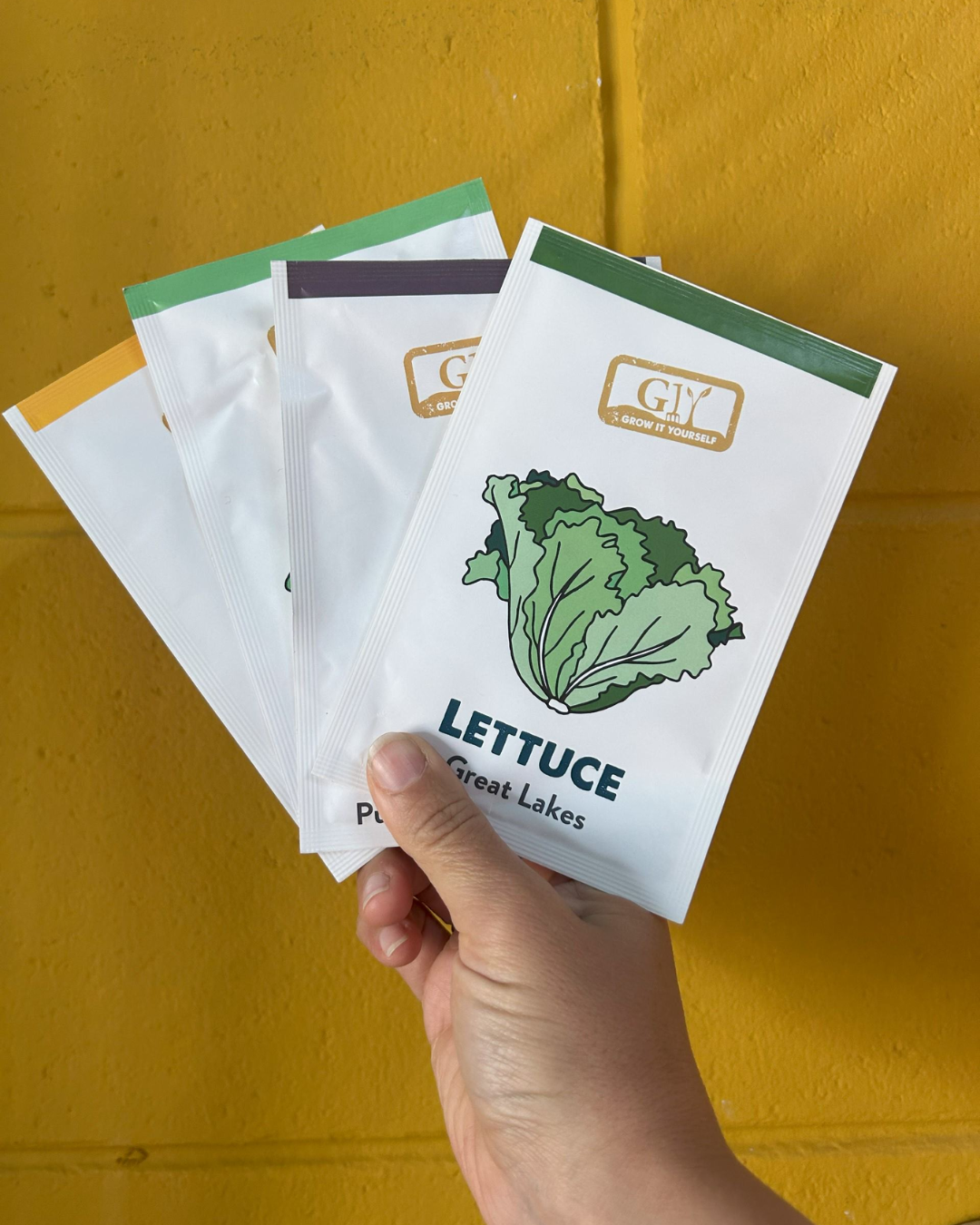
We want to make real, whole foods accessible - whether you grow a window-box of herbs, have a veg patch, allotment or school garden, cook a meal from scratch with seasonal ingredients, or simply make better shopping choices guided by the food empathy principles. Every small action matters.
This is about more than gardening and growing. It’s about changing how we eat and live. About feeling alive, healthy and more in control of our food choices. Join us.

FOOD EMPATHY
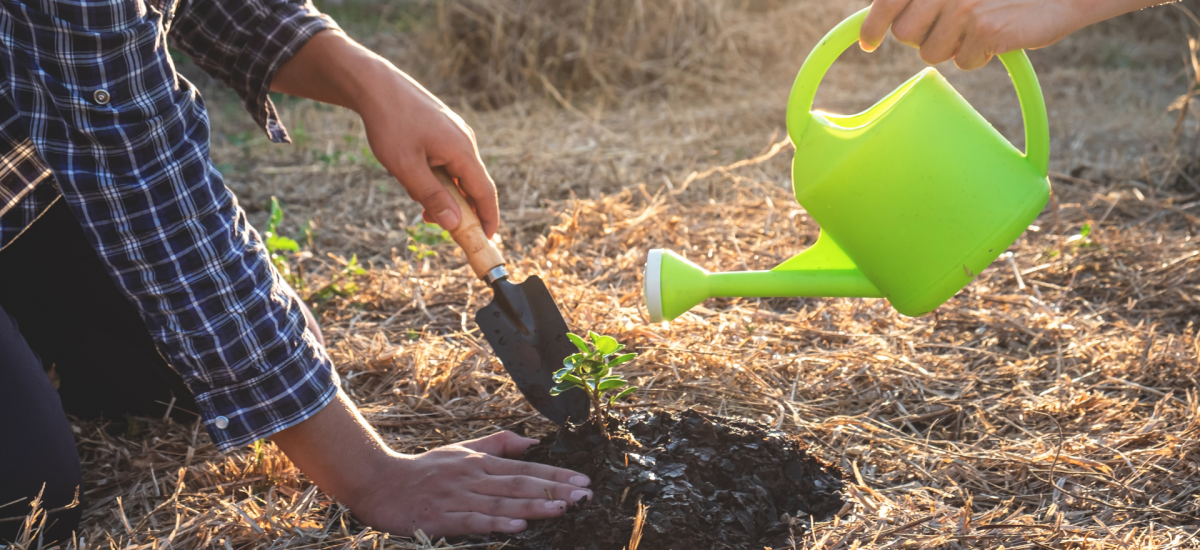
Back in 2014 Mick coined the phrase food empathy to describe the deep behaviour changes that happen when people grow some of their own food. Even if they only grow 1% or 5% of the food they eat, the knowledge they gain from the act of food growing can change the other 95% of what they eat.
So, yes growing your own food is good for your mental health, gives you access to healthy, organic food and might even save you some money. But the real benefit is in the knock-on, long term behaviour changes that result.
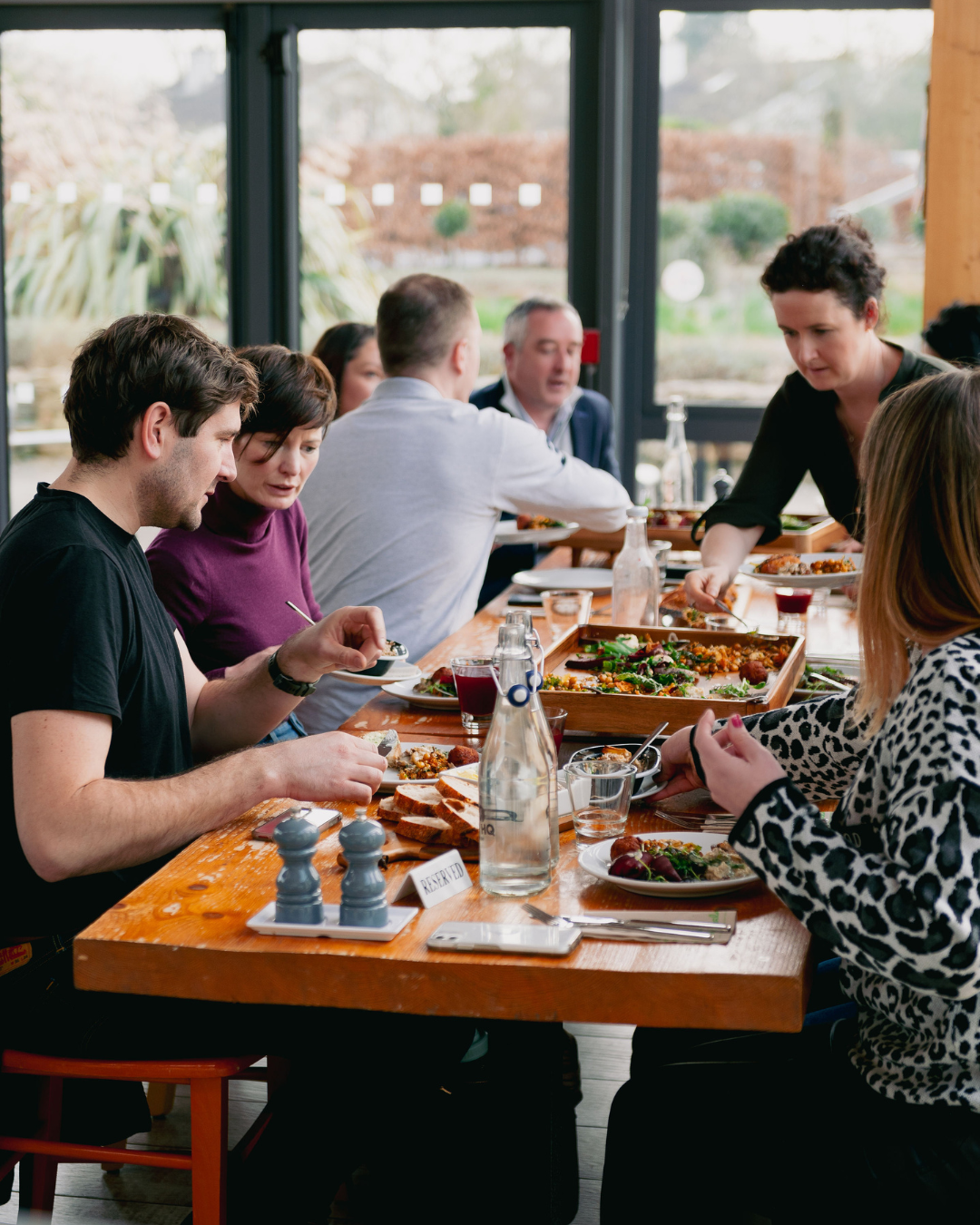
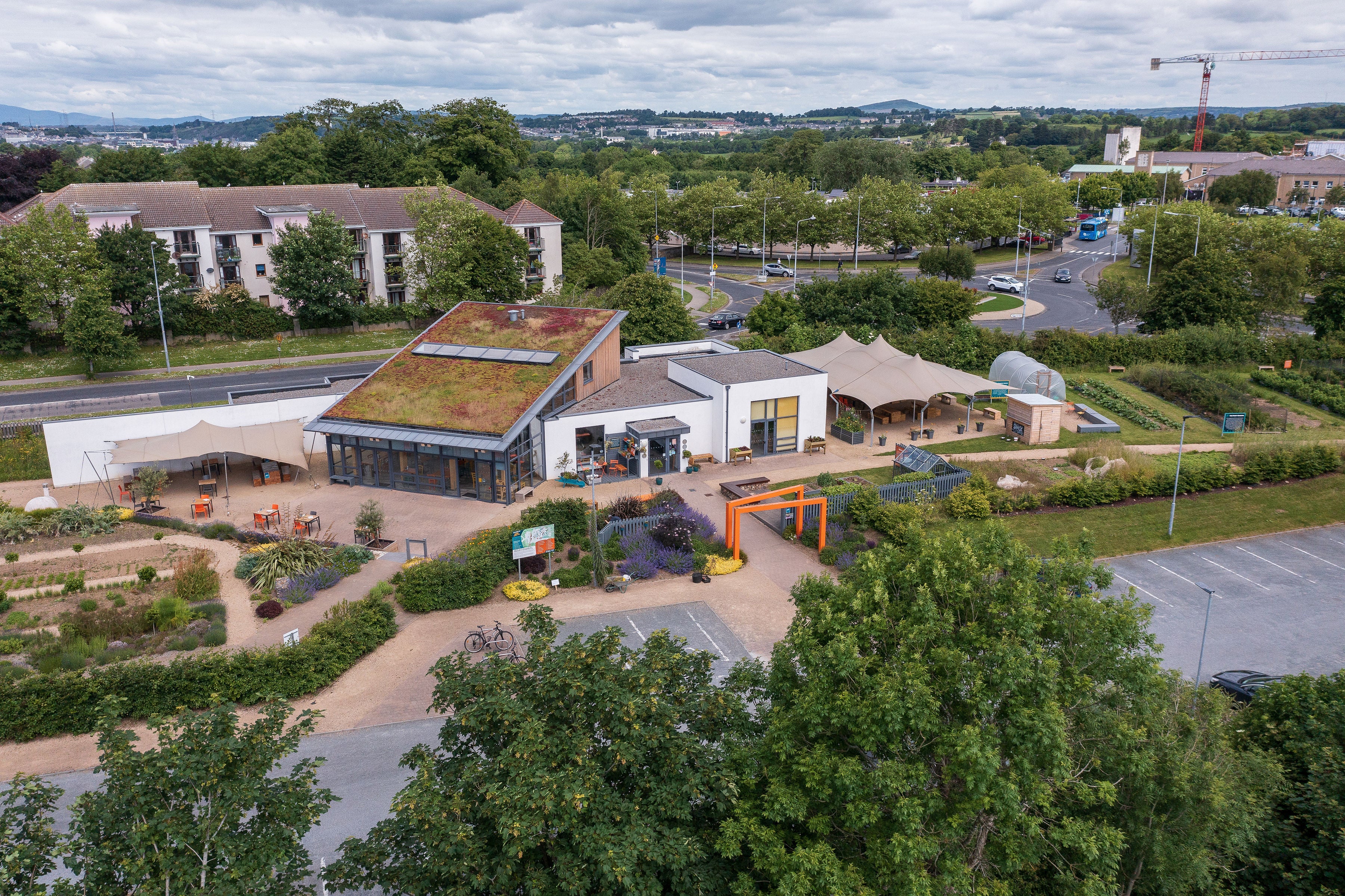
These Food Empathy behaviours inspired our TV series Food Matters and the podcast of the same name, and they are the themes that drive everything we do - from our education programmes to our courses, the GIY Farm and even the menu at GROW HQ:
- Loving living soil
- Eating more plants
- Supporting local food producers
- Reducing your food pollution (more organic food and less packaging)
- Eating with the seasons

Every food choice we make sits on a spectrum that has real, whole foods grown in living soil at one end, and factory produced, chemical formulated ultra-processed foods at the other end.
Of course, this is a generalisation and simplifying a very complex food landscape, and there are an infinite number of points on the spectrum*. Broadly speaking however, the health and climate science research data points us in the same direction - any move you can make towards the whole foods end of the spectrum is a move towards better health and a more planet friendly diet. And the more ultra-processed foods dominate your diet, the worse your health outcomes are likely to be, particularly for chronic diet related ill health from cancer, diabetes, Alzheimer’s and heart disease.
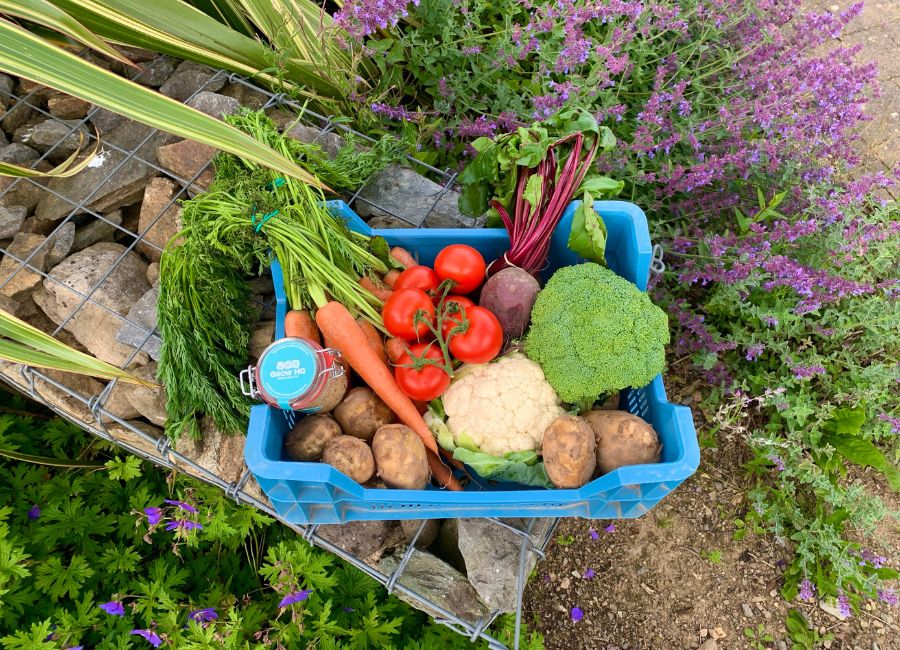
This is why we believe growing some of your own food is one of the best things you can do for your own health and the health of the planet. It gives you access to food that is nutrient dense, truly fresh, in season, grown in living soil, with no packaging waste or chemical inputs. It’s the gold standard. And if you can’t or don’t grow yourself, then try to get the next best thing by buying from a farmer’s market, local grower or veg box provider.
*Check out the Nova scale of ultra processed food for more information: https://world.openfoodfacts.org/nova