
Time to come out of our Christmas hibernation in the garden. Not that the growing year ever really ends (or begins) but growers can take the foot off the throttle for a week or two over the festive season. Though the animals on the farm don’t know it’s Christmas so a complete break isn’t possible.
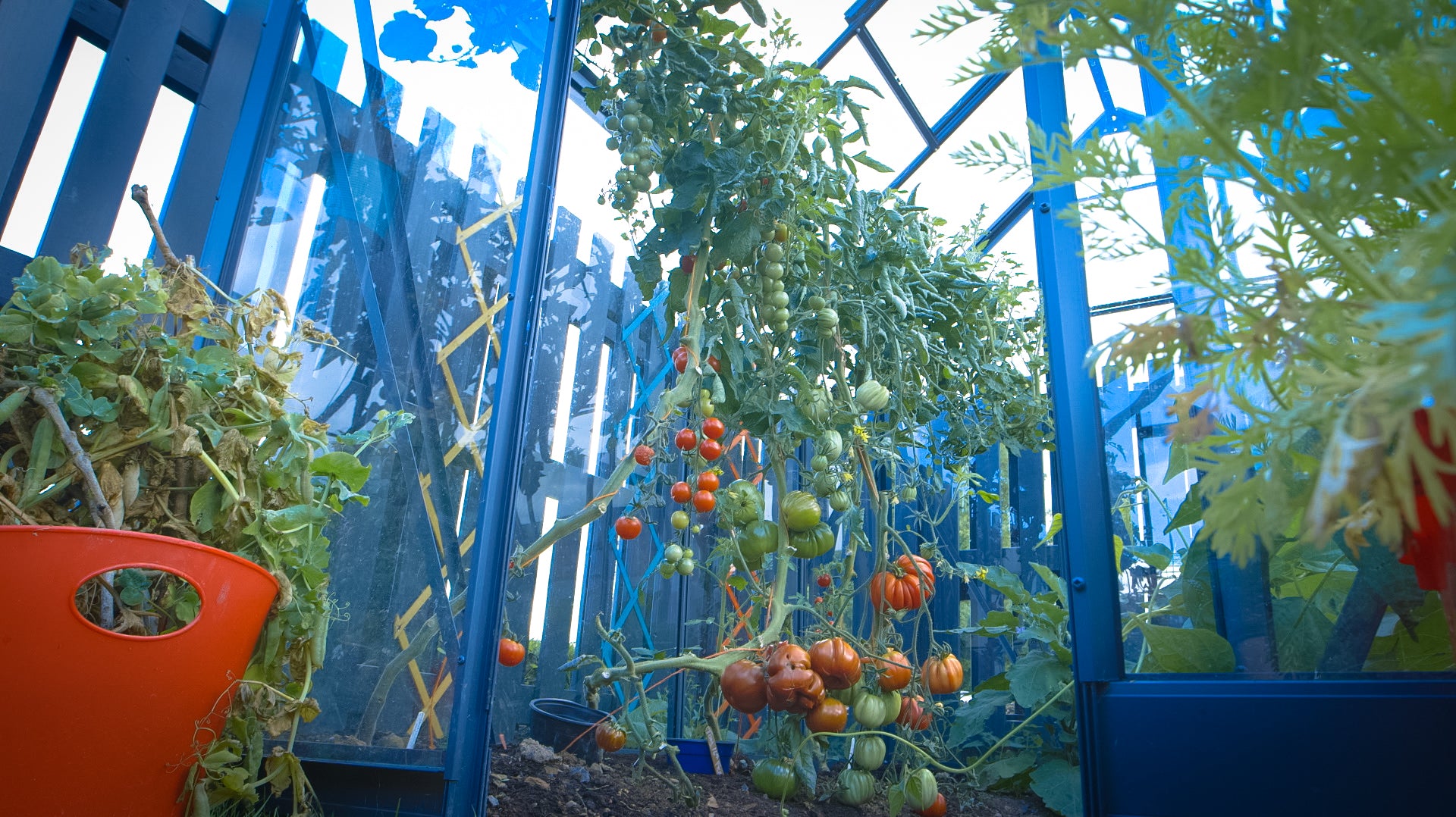
January is a busy time in the tunnel and glasshouse. Tunnels are at their most useful in the early part of the year, you can harvest summer crops a month or two early. Potatoes are the first crop to be planted after Christmas and will give us a crop of tasty new spuds in May and June. Salad leaves are sown late January, giving us fresh salad in March. And the heated bench is set up again in the glasshouse for raising seedlings starting with our onions. Important to not get too over excited with the sowing though as we don’t want plants ready for transplanting outside before the soil is warm enough. Plenty to keep us busy, out of the January weather.
Outdoor beds are still all covered in formal or informal green manures (sometimes referred to as weeds). The old idea of leaving soil bare and cultivated over the winter is not a good way to keep soil healthy. Green covers will be killed off by covering or cultivating a couple of months before we intend to sow into them. Though growth never stops and the green shoots of garlic and broad beans are bravely standing up to the worst that the Irish winter can throw at them, ready to grow away as the days lengthen.
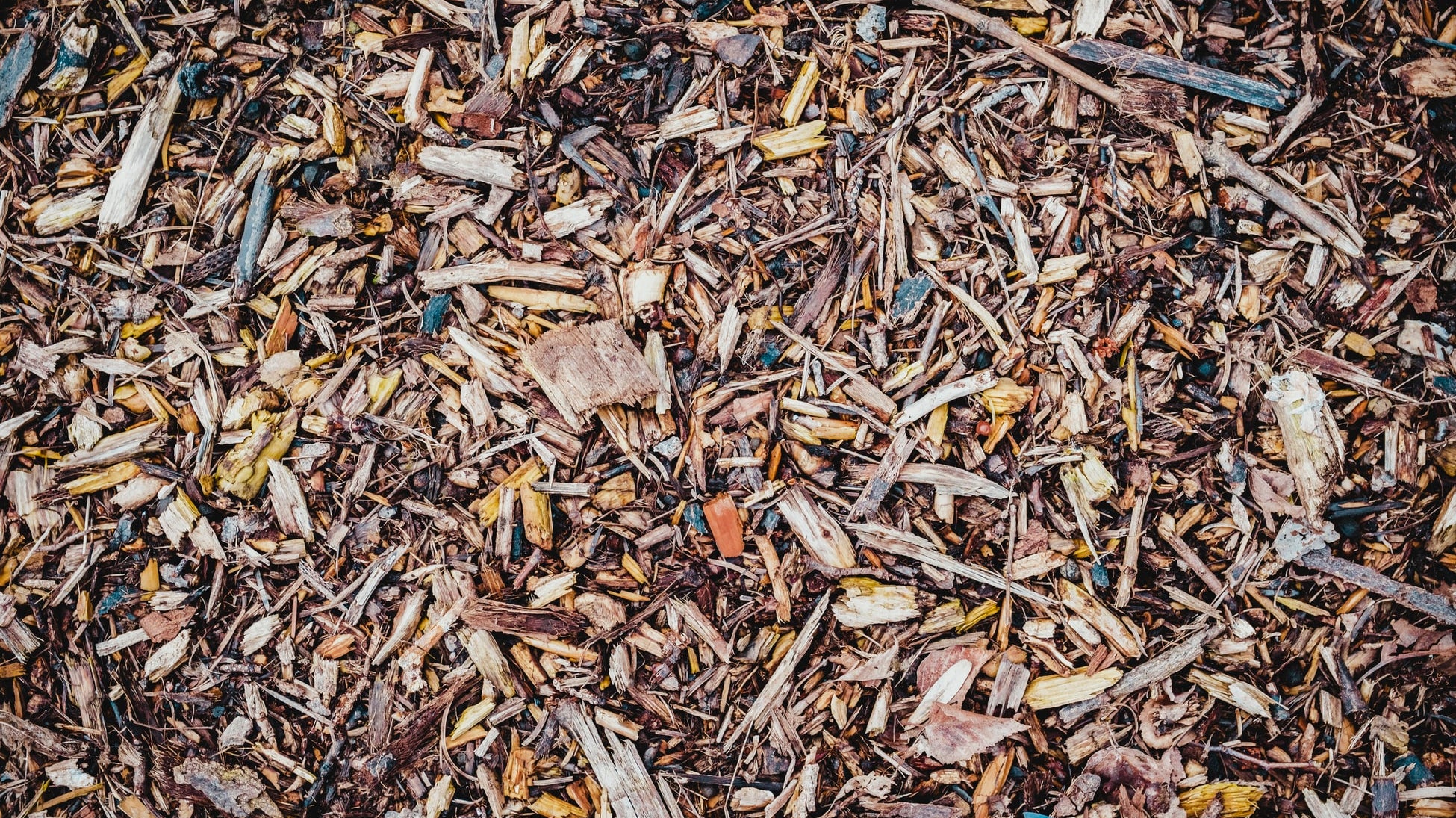
The fruit garden is leafless and dormant this time of year which means growers aren’t. Most work, apart from the “work” of picking the fruit, takes place in the winter months. In my early days as a grower this period extended from December well into March. Now, with the climate emergency, I try to confine the winter jobs of pruning and planting to January and February. Planting of any new trees or bushes is done with bare root plants, these establish much better than pot grown plants planted in the spring and are usually cheaper. All fruit plants get a mulch of compost and a quick tidy of any “informal vegetation”. And my final task for the month is probably one of my favourites of the year, pruning. Looking at a tree and deciding how and why to shape it. This should be a quietly reflective process not a panicked massacre. Many new gardeners feel it is essential to prune fruit trees, it isn’t, they will still produce some fruit without. Trees aren’t sitting there thinking “what I really want is for a human being to come and cut bits off me”. If you aren’t sure what to do, then leave them alone or better still come on our fruit course next Autumn.